
Defensible Space Engineering: Landscape Design as Wildfire Mitigation Infrastructure
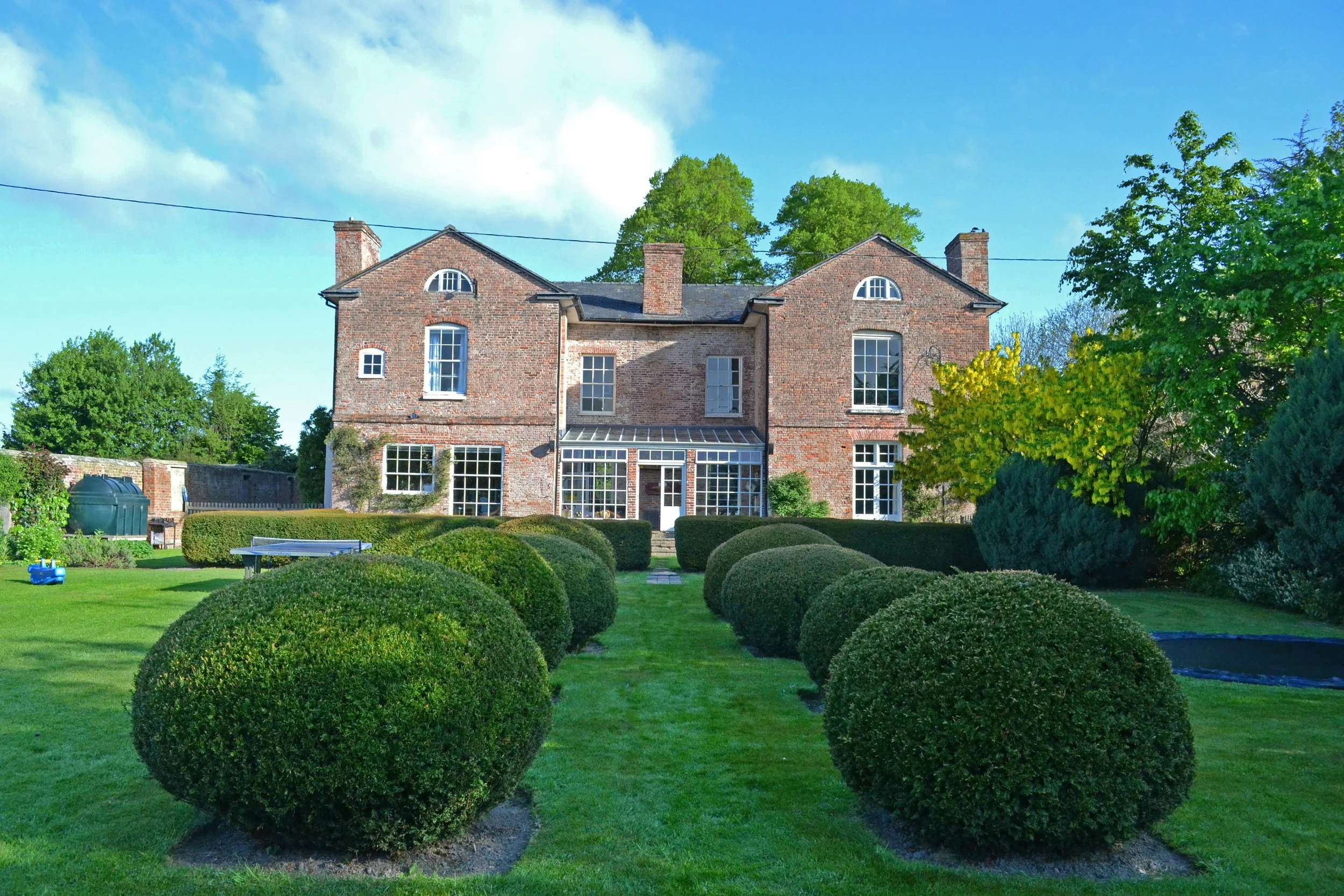
Most people think of their yard as a yard. In a wildfire-prone zone, it's something else: it's the primary line of defense between an approaching fire and the structure it surrounds. The soil, vegetation, ground cover, and hardscape between a building and the surrounding wildland either slow a fire down and reduce its intensity, or they don't. And whether they do or don't is almost entirely a function of how those elements were designed and how they're maintained.
California's AB 3074, signed in 2021 and now in full enforcement, formalized the concept of Zone Zero, the 0-to-5-foot buffer immediately around a structure, and added it to the state's defensible space requirements. Combined with the existing Zones 1 and 2, California now requires structured landscape management from the base of a structure out to 100 feet, with specific requirements for each zone. Many local fire departments require even more, with Los Angeles County extending requirements to 200 feet in high-risk areas.
This post covers what defensible space engineering actually involves, what the zone requirements mean in practice, how plant selection becomes a fire engineering decision, what the relationship is between defensible space and the broader fire performance of a property, and what homeowners and developers in WUI zones need to understand to comply with the law and actually protect their property.
1. Why Defensible Space Works
The physics of wildfire are relevant here because they explain why defensible space works when it's done correctly and fails when it isn't.
A wildfire approaching a structure ignites it through three pathways: direct flame contact, radiant heat, and ember intrusion. Of these three, ember intrusion is by far the most common ignition mechanism in the major California fires of the past decade, accounting for the majority of structure losses. Embers, also called firebrands, travel on wind ahead of the fire front and land on combustible surfaces, particularly on roof surfaces, in gutters, against wood decking, on piles of dry vegetation against a foundation, and through improperly screened vents.
Defensible space doesn't primarily protect against direct flame contact. It protects against the ember and radiant heat environment by reducing the fuel load close enough to the structure to ignite it from those sources. Vegetation against a foundation is the most dangerous configuration because it creates a direct fuel pathway from the wildland fire environment to the structure's most vulnerable attachment points. An open, non-combustible zone immediately around the structure removes that pathway.
2. The Three Zones: What Each Requires
California's current defensible space framework divides the space around a structure into three zones with different management requirements. Understanding what each zone is trying to achieve makes the requirements easier to apply correctly.
Zone Zero: 0 to 5 feet
Zone Zero, established by AB 3074 and now required by California law, is the ember-resistant zone immediately around the structure. Its purpose is to prevent embers from landing on combustible materials close enough to the structure to ignite it or to be driven through a vulnerable opening by wind.
Within Zone Zero: no combustible mulch (inorganic mulch, decomposed granite, or stone is preferred); no wood decking attached to the structure unless built with ignition-resistant materials; no dead or dying vegetation; no combustible patio furniture or stored items; no wood fencing attached to the structure (must transition to non-combustible material within Zone Zero); and living vegetation should be minimal, low-growing, and well-hydrated. Any plant in Zone Zero should be considered a potential ignition point and selected and maintained accordingly.
The 0-to-5-foot rule is deceptively demanding to implement on properties where landscaping has been designed for aesthetics rather than fire safety. Planters built against the foundation, wood mulch that extends to the base of exterior walls, a raised bed with combustible sides immediately under a window: all of these are Zone Zero violations that represent real ignition risk.
Zone 1: 5 to 30 feet
Zone 1 is the lean, clean, and green zone. Its purpose is to reduce the fuel load and the potential fire intensity close to the structure while maintaining a landscape that provides ecological value, privacy, and visual appeal. The key requirement is that vegetation is spaced and maintained so that fire cannot ladder from ground cover to shrubs to tree canopies.
Horizontal spacing: CAL FIRE requires single shrubs spaced so their canopies don't touch. On slopes, spacing requirements are greater because fire moves faster uphill and the flame length reaching higher plants increases with slope. Vertical spacing: no branches within 10 feet of the ground on trees within Zone 1, so that ground fire cannot climb into the tree canopy. Maintenance: any dead or dying branches, accumulated dead leaves under plants, and dry grass in Zone 1 are immediate fire hazards and need to be cleared regularly.
Plant selection in Zone 1 matters enormously. Plants with high moisture content in their leaves and stems, that don't accumulate dead material, and that don't contain high concentrations of flammable resins or oils perform dramatically better than plants selected only for aesthetics. California native plants are often well-suited for Zone 1 because they've evolved in a fire-frequent environment. Coast live oak can actually shield a home from embers with its dense canopy. Coyote brush, when well-hydrated, diffuses embers rather than catching them. Toyon's deep root system provides slope stabilization value alongside its moderate fire resistance.
Zone 2: 30 to 100 feet
Zone 2 is the reduce-fuel zone. It doesn't require the same vegetation management intensity as Zone 1, but it needs to prevent fire from gaining momentum and intensity as it approaches the Zone 1 and Zone 0 areas. The requirements focus on removing dead and dying material, spacing vegetation to reduce continuity of fuel, and ensuring that the landscape doesn't create a fire acceleration corridor toward the structure.
On slopes, Zone 2 requirements extend further because slope amplifies fire intensity. The LA County Fire Department requires up to 200 feet of defensible space clearance in designated high-hazard areas, reflecting the role of steep terrain in accelerating fire behavior. Projects in areas with this extended requirement should confirm the local authority having jurisdiction's requirements early in the design process, since state minimums may not apply.
The Maintenance Reality
Defensible space has to be maintained to work. A Zone 1 landscape that was properly designed and installed in spring looks very different by late summer in a drought year if it hasn't been maintained. Dead branches accumulate. Dry grass grows in the open spaces between plants. Potted plants get moved against the foundation. The fire season arrives and what looked like a compliant landscape in April is a fire pathway in September. CAL FIRE's inspection program exists specifically because defensible space compliance is a dynamic condition, not a one-time certification. Many homeowners who lost structures in the 2025 fires had technically compliant landscapes at some point. Maintenance is the other half of the work.
3. Plant Selection as Fire Engineering
Choosing plants for a fire-resistant landscape isn't just about picking 'fire-safe' species from a list. It's an engineering decision that involves understanding how plants behave under fire exposure, how their water content changes seasonally, how they accumulate dead material, and how their geometry affects radiant heat and ember behavior.
Moisture content: The single most important fire-relevant characteristic of a plant. Green, well-watered plants with high leaf moisture content resist ignition and burn less intensely than dry plants. Drought-stressed plants, even species that are nominally fire-resistant, can become fire hazards by late summer. Irrigation design within the defensible space zones, particularly Zone 1, directly affects fire performance.
Leaf and stem oil content: Plants with high oil content in their leaves and stems, Italian cypress is the most notorious example in California, can generate intense radiant heat and produce firebrands that travel significant distances. CAL FIRE specifically identifies Italian cypress as a very high risk plant that should be removed from Zone 1. Many ornamental landscape plants commonly used in Southern California fall into this category.
Dead material accumulation: Some plant species accumulate dead leaves, branches, and bark at the base that creates a persistent ground-level fuel source regardless of how well the living plant performs. Eucalyptus trees are a well-documented example: their accumulated leaf and bark litter creates a persistent ignition risk even when the living canopy is green. Landscape design that incorporates species with significant dead material accumulation requires regular maintenance to remove that material before fire season.
Root systems and slope stability: Deep-rooted native species, particularly those adapted to California's coastal and foothill soils, provide slope stabilization value alongside their fire resistance characteristics. Toyon, coffeeberry, and many native grasses stabilize the soil with deep root systems that persist even when the above-ground plant is burned, reducing post-fire erosion risk.
4. Non-Plant Elements: Ground Cover, Mulch, and Hardscape
The ground cover between plants within the defensible space zones contributes as much to fire performance as the plants themselves. Combustible mulch, including wood chips, bark, and shredded wood products, creates a continuous fuel layer at ground level that can carry fire to the structure even when the plants above it are adequately spaced.
The alternative within Zone Zero and Zone 1 is inorganic ground cover: decomposed granite, stone, gravel, or concrete. These materials don't contribute to fire spread, don't provide fuel for ember ignition, and can be designed to look as intentional and aesthetically cohesive as organic mulch. The practical benefit is that removing combustible mulch and replacing it with inorganic cover often produces measurable changes in the defensible space compliance score under inspection programs.
Hardscape design within the defensible space also matters. Patios, walkways, and driveways within the zone that use non-combustible materials (concrete, stone, pavers) create breaks in the vegetated fuel load that reduce fire spread potential. A property designed with a gravel path that wraps the perimeter of Zone Zero, a stone patio that extends the non-combustible surface, and decomposed granite in the planting beds has a substantially different fire exposure profile than the same property with wood chip mulch throughout and combustible decking extending to the foundation.
5. What This Means for Developers
For developers designing sites in WUI fire hazard zones, defensible space engineering is a site design requirement, not an afterthought. The landscape design has to be developed with fire zone compliance built in from the beginning, not retrofitted after the architectural and civil design is complete. That means knowing which fire hazard severity zone the project is in before the site layout is finalized, understanding what the local requirements are beyond the state minimum, and involving a landscape architect with WUI experience in the design team from the start.
Homeowner associations in WUI developments have an ongoing compliance responsibility that needs to be in the CC&Rs. Defensible space in a development isn't just about each individual homeowner's lot. It's about the collective vegetation management across the development, and that collective management needs to be designed, funded, and maintained systemically, not left to individual homeowner discretion. Developments that have established and funded defensible space maintenance programs have substantially better fire outcomes than those that don't.
Conclusion
Defensible space isn't landscaping with fire rules attached. It's fire engineering expressed through landscape design. The choices about what plants to put where, what to put on the ground between them, how to design the hardscape, and how to maintain all of it are engineering decisions with real consequences for whether a structure survives a wildfire event or doesn't.
California law requires defensible space for properties in designated fire hazard zones, and that law is being enforced more actively in the aftermath of the 2025 fires. But compliance with the legal minimum isn't the same as a fire-safe landscape. A well-designed defensible space, with plant selection driven by fire performance, inorganic ground cover in critical zones, a landscape maintenance program, and irrigation designed to keep Zone 1 plants hydrated through fire season, provides meaningfully more protection than a landscape that happens to meet the inspection criteria.
